

Birmingham Airport joins £3.4m project to test hydrogen aircraft refuelling
Birmingham Airport has joined a UK government-backed project to develop and trial mobile hydrogen refuelling infrastructure for aircraft and ground operations.
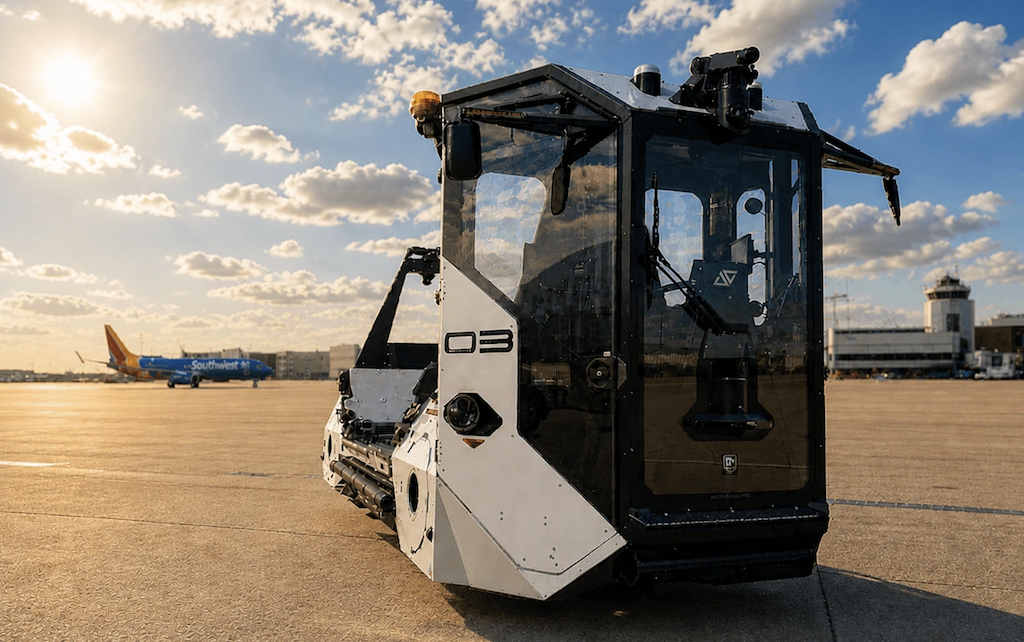
image: Birmingham Airport
The airport will work with ZeroAvia, ULEMCo, GeoPura and Bristol Airport on the HyPRIME (hydrogen propulsion refuelling infrastructure mobile ecosystem) project.
The programme will develop, build and demonstrate a mobile refuelling vehicle capable of supporting aircraft powered by liquid hydrogen, while also supplying hydrogen for ground support equipment and on-site power generation.
HyPRIME is one of the projects selected under the first round of the UK Government's Zero Emission Flight Demonstrator Competition. The project has a total cost of £3.42m, with £2.12m provided by the Department for Transport.
Trials will take place in live airport environments, with the partners assessing the operational procedures, safety requirements, costs and wider implications of introducing liquid hydrogen (LH₂) at commercial airports.
One of the project's objectives is to demonstrate that aircraft can be refuelled with liquid hydrogen within standard commercial turnaround times. The partners will also examine how the same hydrogen infrastructure could support airport ground equipment and other energy requirements.
Government says the results will help inform future decisions on the development and deployment of hydrogen infrastructure across the aviation sector.
Birmingham Airport said its participation builds on its existing relationship with ZeroAvia and will help prepare the airport for potential future hydrogen-electric flights.
Tom Denton, Head of Sustainability at Birmingham Airport, said the development of hydrogen-electric aircraft meant airports needed to understand how the technology could be incorporated into their operations.
“Hydrogen electric aircraft are progressing quickly, and airports need to understand how this fuel can be safely and efficiently integrated into daily operations,” he said.
“HyPRIME gives us the opportunity to test procedures and build the knowledge required to support future zero emission flights from Birmingham.”
Denton added that the project would build on the airport's recent progress on emissions reduction.
“Taking part in this project helps us maintain the momentum we’ve built over the past few years and moves us that bit little closer to achieving our mission of running a lower carbon airport,” he said.
ULEMCo has previously worked on hydrogen-powered airport ground equipment, including a hydrogen-powered aircraft tow tug, while government-backed projects have also explored hydrogen applications at Teesside International Airport.
The HyPRIME partners will use the findings from the trials to assess the requirements for scaling liquid hydrogen infrastructure at commercial airports and to provide information for future investment and operational planning.