

The UK Civil Aviation Authority (CAA) has opened applications for the latest phase of its Hydrogen Challenge programme, as the regulator seeks to accelerate understanding of hydrogen-powered aviation and prepare the industry for the potential introduction of a new generation of zero-emission aircraft.
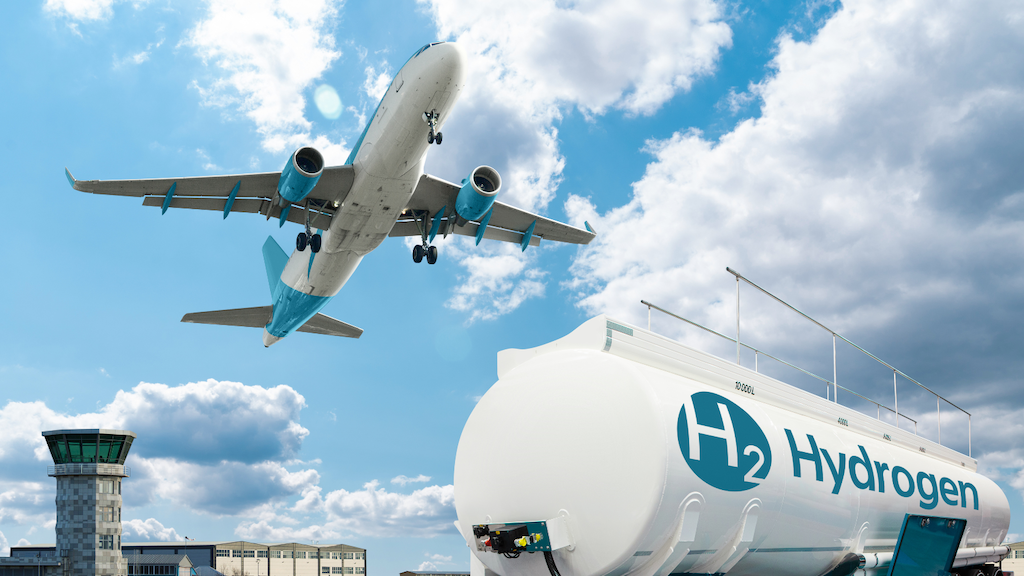
image: CAA (AI generated)
The initiative is designed to bring together aircraft manufacturers, airports, technology developers, researchers and infrastructure operators to explore the regulatory, operational and safety requirements associated with the use of hydrogen in aviation. The CAA said the programme will help ensure the UK's regulatory framework develops alongside emerging technologies while maintaining existing safety standards.
Hydrogen is widely regarded as one of the potential long-term pathways for reducing aviation emissions, alongside sustainable aviation fuels and electric propulsion systems. While commercial deployment remains some years away, industry and government organisations are increasingly focused on the infrastructure, certification and operational changes that would be required to support hydrogen-powered aircraft.
The Hydrogen Challenge was first launched by the CAA in 2023 and operates through a regulatory sandbox model, allowing organisations to work directly with the regulator to identify safety risks, testing requirements and certification pathways before technologies enter commercial service. The programme is intended to improve regulatory readiness while reducing barriers to innovation.
Previous participants have included aerospace companies such as ZeroAvia and Cranfield Aerospace Solutions, alongside airport-led consortia involving Exeter Airport, TUI, Cranfield University and ULEMCo. Projects have examined hydrogen-electric propulsion systems, aircraft certification requirements, ground handling equipment, hydrogen storage and refuelling infrastructure.
For airports, the challenge has increasingly focused on infrastructure implications. Earlier projects explored how hydrogen could be stored, distributed and handled safely within airport environments, while trials at Exeter Airport assessed the use of hydrogen-powered ground support equipment in live operational conditions. The findings are expected to help inform future infrastructure requirements should hydrogen-powered aircraft enter commercial service.
The latest phase of the programme follows the CAA's decision earlier this year to expand and extend the Hydrogen Challenge, reflecting growing industry interest in the technology despite wider uncertainty around the pace of hydrogen aircraft development. Airbus and other aerospace manufacturers continue to assess hydrogen's long-term potential, while UK-based developers including ZeroAvia are progressing certification programmes for hydrogen-electric propulsion systems.
The regulator said the programme would support wider government ambitions set out in the Jet Zero Strategy and help position the UK as a centre for aviation innovation. Successful applicants will work with the CAA to explore technical, operational and regulatory issues associated with hydrogen adoption, with lessons from the programme expected to inform future aviation policy and certification frameworks.