

A new report from the UK Civil Aviation Authority (CAA) sets out how noise from drones and electric vertical take-off and landing (eVTOL) aircraft could be assessed and managed as commercial operations expand.
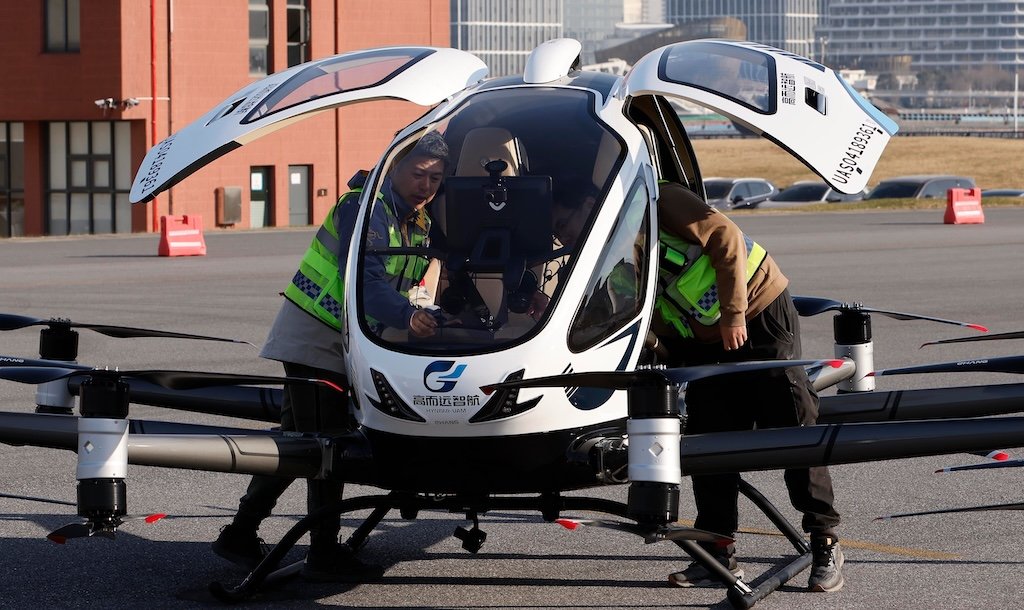
image: Shutterstock
The report, Managing Noise from Emerging Aviation Technology (CAP3304), examines how existing aviation noise-management principles could be adapted for aircraft expected to operate in new locations and at lower altitudes than conventional aircraft.
Although drones and eVTOL aircraft are expected to be quieter than conventional helicopters in comparable roles, their operating patterns could expose communities to noise in areas not traditionally affected by aviation. The frequency of flights, aircraft noise characteristics and visibility may also influence how people experience and respond to operations.
The CAA report identifies several priorities for managing these impacts, including quieter aircraft design, proportionate noise assessments, appropriate flight routes and operating procedures, transparent engagement with communities, accessible complaints processes, and systematic collection of operational and noise data.
Commercial drone operations are expected to expand across activities including infrastructure inspection, emergency response, logistics and the delivery of medical supplies. Potential early applications for eVTOL aircraft include airport transfers, regional connectivity and emergency services.
The report recommends that an initial national policy for drone noise should provide a proportionate and consistent framework for trials, early deployments and emerging commercial services, while allowing requirements to evolve as operational experience and evidence develop. The work supports the Department for Transport’s development of a national noise policy for drones.
Ed Weston, head of environmental research and consultancy at the CAA, said developing good practice while the sector was still emerging would help protect communities, give operators greater certainty and support the growth of services offering public and economic benefits.
The report forms part of the CAA’s wider Future of Flight programme, which aims to support the safe integration of new aviation technologies into UK airspace while maintaining standards for safety, security and environmental protection.
The report, CAP3304, is available from the Civil Aviation Authority.