

CAA sets out vision for scaling routine drone operations across UK airspace
The Civil Aviation Authority (CAA) has set out a vision for integrating drones into UK airspace at a larger scale, with a focus on enabling routine beyond visual line of sight (BVLOS) operations alongside crewed aircraft.
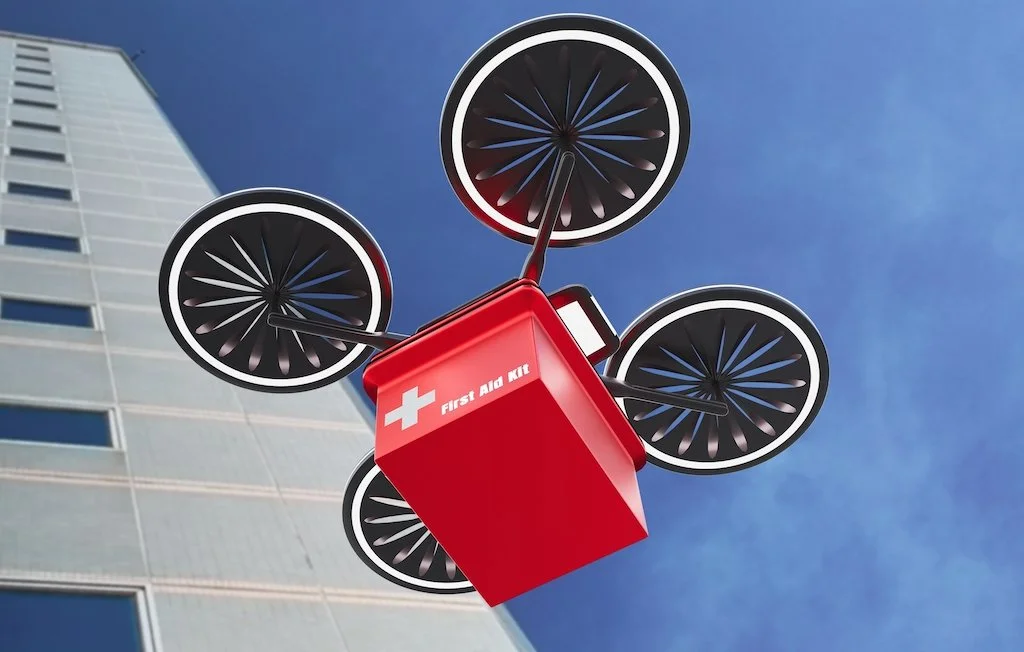
image: Shutterstock
The regulator’s new Airspace Architecture Concept of Operations outlines how technology, digital services and risk-based safety measures could allow drones to move from largely isolated trials and bespoke approvals towards widespread commercial operations.
Drones are already being used in the UK for activities including infrastructure inspections, emergency response and the transport of medical supplies. However, the CAA said that many BVLOS operations currently depend on dedicated airspace arrangements and individual approvals, which are not designed to accommodate the volume of operations expected if commercial drone use expands significantly.
The new concept of operations proposes a more integrated approach in which drones could share airspace with conventional aircraft using a combination of digital traffic management, communications and detect-and-avoid technologies.
Under the CAA's vision, drones and crewed aircraft would be able to electronically detect each other, while systems would help identify and avoid potential conflicts. Reliable communications between drones and remote pilots would also be required, alongside digital services capable of coordinating larger numbers of flights.
The framework also envisages improved information sharing between drone operators, air traffic services and other users of UK airspace.
Sophie O’Sullivan, Director of Future Safety and Innovation at the CAA, said the potential benefits of drone technology would depend on the ability to operate at a much greater scale.
“Drone technology has enormous potential to deliver economic and societal benefits across the UK, but realising those benefits means enabling operations at a much greater scale than is possible today,” she said.
“This Concept of Operations sets out our vision for how drones and other airspace users could safely share the same airspace in the future. It provides a roadmap towards a more integrated, digitally enabled airspace system that supports innovation while maintaining high standards of safety.”
The CAA said potential applications of expanded drone operations include faster inspections of railways, roads and power infrastructure, medical logistics between healthcare facilities, emergency services, logistics and delivery services, environmental monitoring and maritime surveillance.
The publication forms part of the CAA's Airspace Modernisation Strategy and Future of Flight programme and follows its Future of Flight: BVLOS Roadmap, which sets out a path towards routine BVLOS operations in the UK by 2027.
The regulator's approach represents a shift from treating individual BVLOS flights primarily as standalone operations towards considering the infrastructure and services required to support multiple operations within the wider airspace system.
That includes the development of systems for unmanned aircraft traffic management and greater use of digital information to establish where aircraft are operating and manage potential conflicts. The CAA has previously identified the integration of BVLOS operations into UK airspace as a key part of its future regulatory programme.
The move comes as UK drone operators are already beginning to secure approvals for longer-range operations. In 2025, the CAA authorised Drone Major to conduct BVLOS flights over critical national infrastructure in non-segregated airspace, demonstrating the potential for drones to undertake inspection and monitoring work beyond the immediate vicinity of a pilot.
The CAA said its new Concept of Operations is intended to evolve as technology develops, trials progress and feedback is received from industry. It is encouraging drone operators, manufacturers, technology developers, airports and other airspace users to participate in the programme as the future architecture is developed.