

Gatwick Airport expands nature recovery partnerships as part of net-zero programme
Gatwick Airport has announced two new partnerships with wildlife and environmental organisations as part of its wider strategy to support biodiversity enhancement and progress towards its 2030 net-zero carbon target.
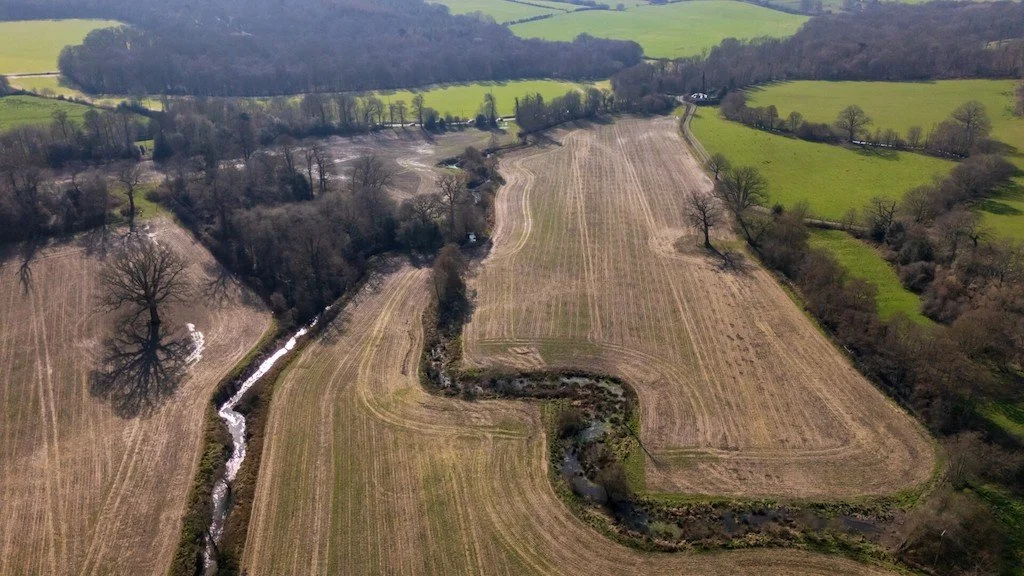
image: Gatwick Airport
The airport operator is now partnering with Kent and Somerset Wildlife Trusts to support projects which will see degraded former agricultural land transformed into species-rich habitats over the coming years.
Gatwick has invested £1m in the projects at Ironhurst Valley Nature Reserve in Kent and Honeygar Farm in Somerset will help to support wildlife and ecology, contribute to flood alleviation, and benefit local communities in the longterm, while also removing 10,000t CO2e.
The projects have been facilitated by Wilder Carbon, a not-for-profit which matches organisations looking to expand their sustainability work with wildlife organisations which deliver high quality environmental projects.
Mark Edwards, Head of Sustainability, London Gatwick said, “We have an unwavering commitment to sustainability and to achieving our aim of being net zero for emissions under our direct control by 2030.
“We are doing all we can to reduce our carbon footprint but come 2030 a small proportion of greenhouse gas emissions will remain. We won’t be able to eradicate these emission sources for various reasons such as the technology not yet existing.
“In order to achieve Net Zero, we will need to remove these residual emissions.
“Collaborating with Wilder Carbon offered us the opportunity to support local, high integrity, nature-based projects that offered considerable benefits in addition to carbon removal.”
Georgia Dent, Chief Executive Officer, for Somerset Wildlife Trust said, “If we’re serious about restoring nature at scale, we need responsible organisations which have a demonstrable commitment to reducing carbon emissions to invest in high quality, impactful projects that lock up carbon and rebuild biodiversity here in the UK.
“This investment relates specifically to emissions from London Gatwick’s own existing operations – and is part of their overall commitment to reach net zero. This partnership will help restore habitats and keep carbon secured in healthy peat at Honeygar for generations to come, delivering lasting benefits for climate and wildlife in Somerset.”
Ben Dart, Chief Operating Officer at Kent Wildlife Trust said, “By partnering with Gatwick Airport, we're able to restore native habitats that will lock up carbon, strengthen biodiversity, and deliver lasting ecological benefits for Kent and beyond."
Sarah Brownlie, Programme Director, Wilder Carbon said, “By committing to high-integrity natural climate solutions, Gatwick is securing long-term carbon benefit while restoring diverse native habitats that strengthen biodiversity and ecosystem resilience.
“Early investment is critical; it unlocks the finance needed to establish projects now, so that verified climate and nature benefits are delivered over the decades ahead. This partnership demonstrates how responsible organisations can decarbonise and address residual emissions while contributing meaningfully to nature recovery at scale.”