

The UK government has formally endorsed Heathrow Airport’s plan to build a third runway, selecting it over a rival proposal and setting in motion the process that could lead to construction and operation.
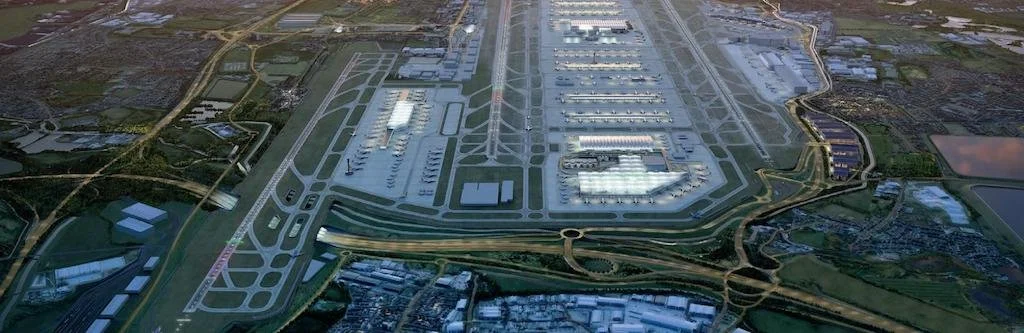
Ministers announced that Heathrow Airport Limited’s (HAL) proposal will form the basis of a fast-tracked review of the Airports National Policy Statement, the statutory framework guiding major airport expansion. Transport Secretary Heidi Alexander described the plan as “the most credible and deliverable option.”
The review of the policy statement is expected to produce a draft by summer 2026, with a planning decision anticipated around 2029. If approved, the new runway could be operational by 2035.
The winning plan includes a 3,500m north-western runway, expanded terminals including a new “T5X,” and major airfield infrastructure. A significant feature of the project is the realignment of the M25 motorway, which will involve constructing a new tunnel and bridges approximately 130m west of the current route. Heathrow has confirmed the runway and supporting infrastructure will be entirely privately financed. Once complete, the airport would be able to handle up to 756,000 flights and around 150 million passengers annually.
A rival plan submitted by the Arora Group proposed a shorter 2,800m runway that would avoid the M25 realignment. Ministers rejected that alternative, concluding that the Heathrow plan offered greater long-term capacity and deliverability. The Arora Group has indicated it may still submit future infrastructure proposals.
Supporters of the expansion argue it will improve global connectivity, create jobs, and strengthen Heathrow’s role as a national hub. Opponents, including local councils and environmental groups, have raised concerns about the disruption caused by the M25 realignment, demolition of homes, increased noise, and air quality impacts. The government says any approved scheme must comply with environmental and noise regulations and will be subject to further planning scrutiny.