

The UK Civil Aviation Authority (CAA) has published a report setting out progress towards developing the regulatory framework needed to support the introduction of hydrogen-powered aircraft, marking what it describes as an important step in preparing the UK aviation sector for the adoption of the technology.
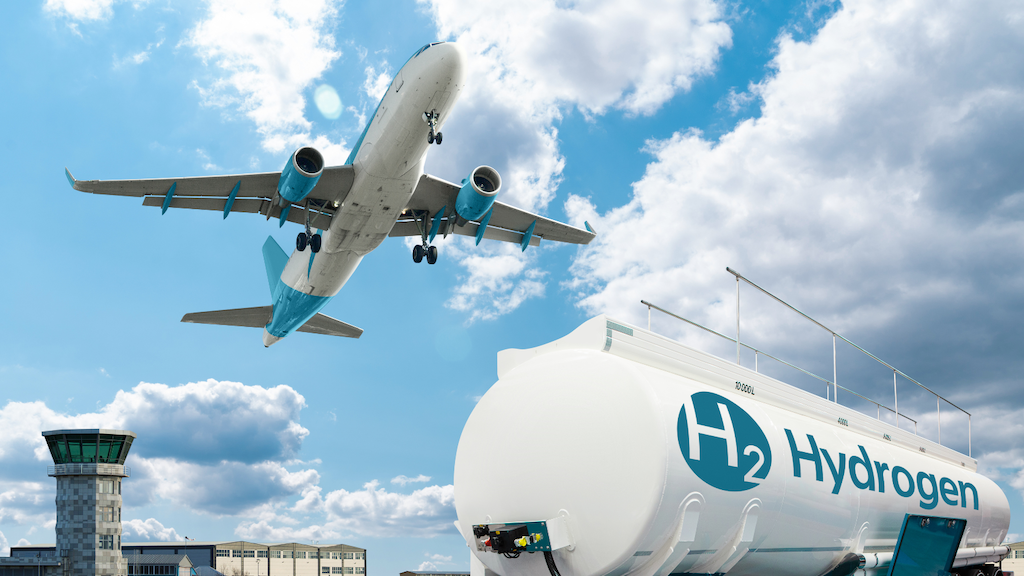
image: UKCAA (AI generated)
The report, produced as part of the CAA's Hydrogen Challenge programme, examines how existing airworthiness certification requirements for large transport aircraft would need to evolve to accommodate hydrogen propulsion systems. It identifies areas where current certification standards are sufficient, as well as gaps where new requirements, guidance and testing methods will be needed to address the unique characteristics of hydrogen as an aviation fuel.
Hydrogen is widely regarded as one of several technologies that could help decarbonise aviation alongside sustainable aviation fuel (SAF), battery-electric propulsion and improvements in aircraft efficiency. While hydrogen-powered aircraft are not expected to enter widespread commercial service until the 2030s, manufacturers, airports and regulators are already working to address the technical, operational and regulatory challenges associated with their introduction.
According to the CAA, the report provides an initial gap analysis of the Certification Specifications (CS-25) that currently govern the design and certification of large commercial aircraft. It considers issues including hydrogen fuel storage, distribution systems, fire protection, crashworthiness, leak detection and the integration of new propulsion technologies, with the aim of ensuring future aircraft can be certified to the same safety standards as today's fleet.
The publication builds on CAA’s Hydrogen Challenge, a collaborative programme launched in 2023 that brings together industry, academia and government to explore the safe introduction of hydrogen technologies. The initiative has expanded from three initial projects to include 13 organisations working on aircraft propulsion, airport infrastructure, hydrogen safety and certification. The programme operates through a regulatory sandbox, allowing participants to test technologies and identify regulatory requirements before commercial deployment.
Among the organisations involved are hydrogen-electric aircraft developer ZeroAvia, Cranfield Aerospace Solutions and the Exeter Airport Consortium, which have worked with the regulator on projects ranging from hydrogen propulsion systems to airport refuelling infrastructure and ground operations. The knowledge gained is intended to inform future UK regulations and contribute to the development of international certification standards.
The report also reflects wider efforts by the UK Government to support zero-emission flight through its Jet Zero Strategy. Alongside research funding and regulatory development, the Department for Transport has identified hydrogen as a potential long-term option for reducing aviation emissions, particularly on regional and short-haul routes where fuel-cell and hydrogen combustion technologies are expected to emerge first.
Although significant technical and infrastructure challenges remain, including the production, storage and distribution of green hydrogen, the CAA said developing an appropriate regulatory framework in parallel with technological advances will be essential if hydrogen-powered aircraft are to enter commercial service safely.
The latest report, it said, is intended to provide industry with greater clarity on the certification pathway while supporting the UK's ambition to play a leading role in the development of hydrogen aviation.