

A technical failure in the UK’s air traffic control system has caused widespread disruption across airports and airlines, with the effects continuing to be felt as operators work to recover schedules and reposition aircraft and crews.
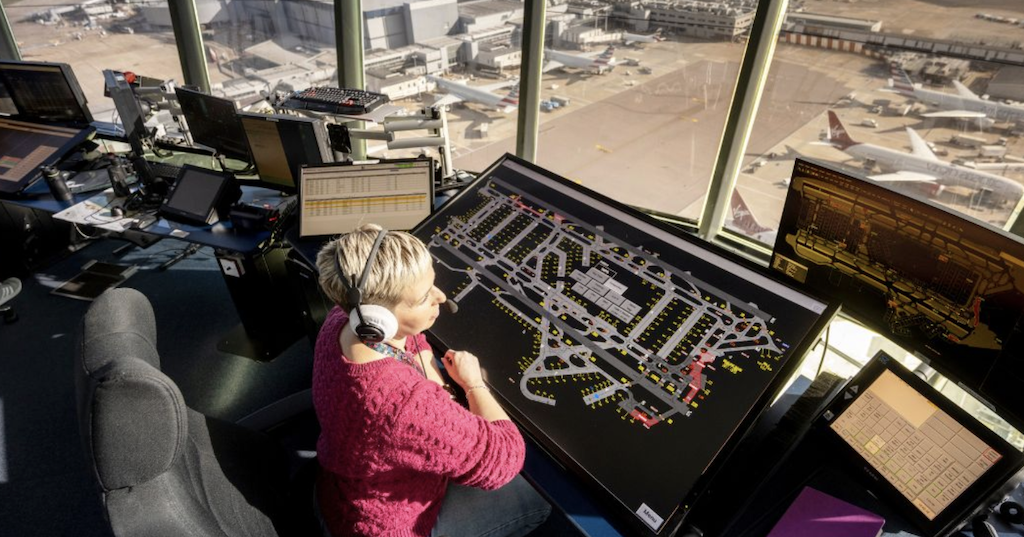
image: NATS
The problem affected the flight planning system operated by National Air Traffic Services (NATS) on 8 September, resulting in significant delays, cancellations and diversions across the UK. The Civil Aviation Authority (CAA) said the incident affected hundreds of arriving and departing flights, with the knock-on effects continuing after the technical issue itself had been resolved.
At least 15 UK airports were affected, including Heathrow, Gatwick, Manchester, Birmingham, Edinburgh, Glasgow and Aberdeen. The scale of disruption varied between airports and airlines, with the failure causing wider operational problems as aircraft and crews were displaced and airlines attempted to rebuild schedules.
NATS said the fault was associated with its flight data processing system and was not the result of a cyberattack. The organisation implemented a fix during the afternoon of 8 September, but the subsequent recovery took longer because of the number of flights, aircraft and crews affected.
The incident has renewed questions about the resilience of the UK's air traffic management infrastructure. It follows previous NATS technical failures, including the major disruption in August 2023 when a problem with a flight-planning system led to widespread cancellations and delays.
NATS chief executive Martin Rolfe has apologised for the disruption and is expected to provide a technical report on the incident. The government has also asked the CAA to conduct an independent review to establish what happened and consider how effectively NATS is equipped to provide a resilient service in future.
The CAA said the disruption was likely to constitute an 'extraordinary circumstance' under passenger rights rules, meaning passengers affected by cancellations or delays caused directly by the NATS failure are unlikely to be entitled to compensation. Airlines remain responsible for providing appropriate care to passengers affected by disruption.