

The Department for Transport has awarded £7.3m to eight projects examining how electric and hydrogen-powered aircraft could operate from UK airports.
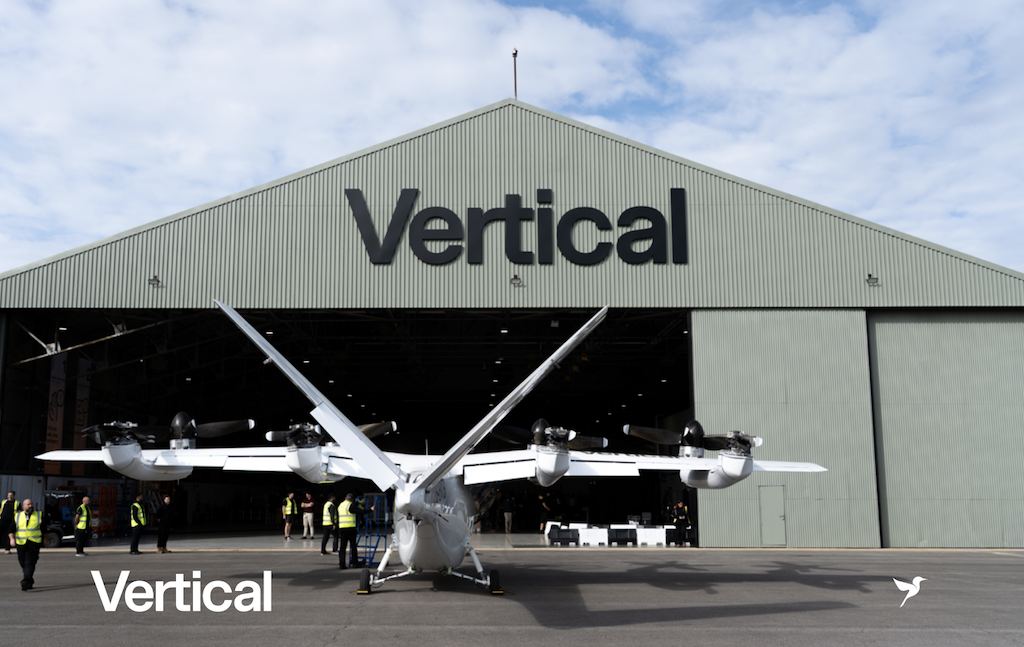
image: Vertical Aerospace
The projects were selected in the first round of the Zero Emission Flight Demonstrator competition, run by Innovate UK. They will investigate aircraft operations, airport infrastructure and the systems needed to support zero-emission commercial flights. The awards are maximum indicative amounts for projects lasting up to 24 months.
The projects are intended to build evidence on the technical, operational and infrastructure requirements for zero-emission aviation.
The largest grants include £2.1m for ZeroAvia’s HyPRIME project, which will develop and demonstrate mobile hydrogen-refuelling equipment at Bristol and Birmingham airports, and £1.8m for Vertical Aerospace’s ECLiPSE project, focused on high-power charging and thermal management for electric aircraft.
A further £1.5m will support Project SEAN, led by Bristow Helicopters, to demonstrate electric regional flying in Scotland using BETA Technologies’ Alia CX300 aircraft. The project plans a three-month programme of flights, with Inverness Airport serving as a hub for connections to other Scottish airports.
The competition forms part of the government’s wider Jet Zero research and development programme.
Other projects will study liquid-hydrogen infrastructure at Bristol Airport, develop a hydrogen-flight demonstration programme, assess hydrogen services for the Highlands and Islands, and produce a blueprint for charging electric aircraft at UK airports. A separate project will examine operational measures to reduce contrail formation.