

UK launches £219m fund to support sustainable aviation fuel production
The UK government has announced a £219m funding programme aimed at accelerating the development of sustainable aviation fuel (SAF) production and supporting the sector’s transition towards lower-carbon operations.
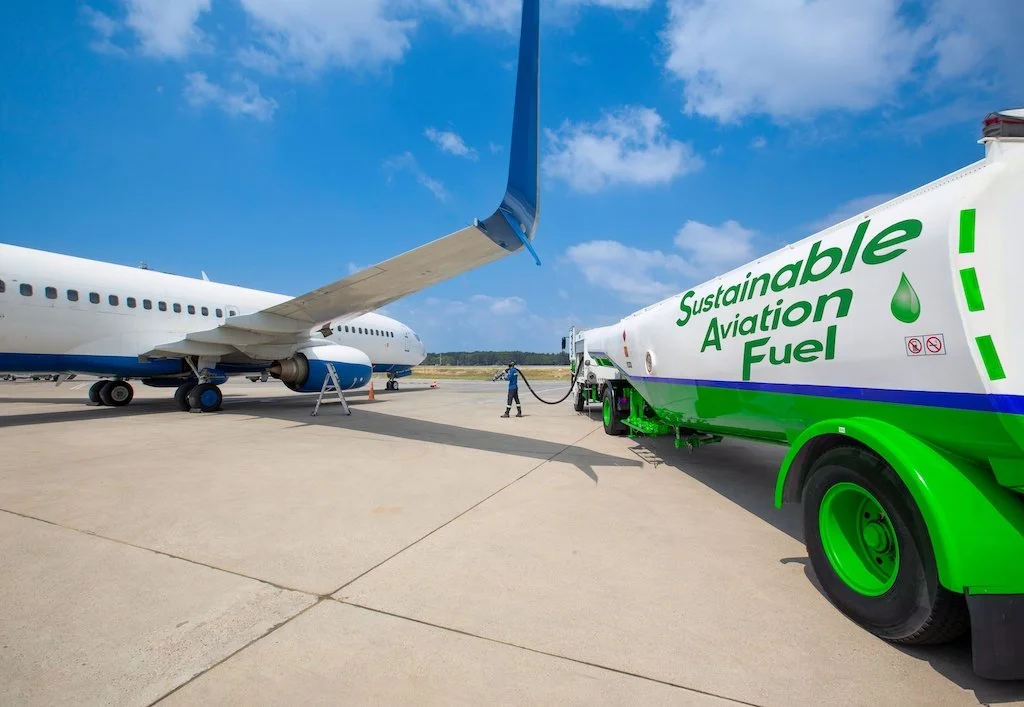
image: Shutterstock
The new Low Carbon Fuels Fund (LCFF), unveiled by the Department for Transport, will provide £93m over the next two years to support projects that are closest to commercial deployment. Applications are expected to open in July, with funding targeted at companies developing sustainable fuel technologies for aviation and other transport sectors.
The initiative builds on £198m already allocated through the government's Advanced Fuels Fund since 2022, which has supported a range of SAF and low-carbon fuel projects across the UK.
According to the Department for Transport, the wider £219m programme is intended to stimulate private investment, strengthen domestic fuel production capabilities and support the growth of a UK-based sustainable aviation fuel industry. Government estimates suggest the sector could contribute up to £5bn to the economy and support around 15,000 jobs by 2050.
Announcing the programme, Aviation, Maritime and Decarbonisation Minister Keir Mather said the funding would help expand low-carbon fuel production while creating skilled employment opportunities and supporting economic growth.
Sustainable aviation fuel is viewed by governments and industry as one of the most readily deployable options for reducing aviation's lifecycle carbon emissions because it can be used in existing aircraft and airport infrastructure. DfT estimates that SAF can deliver average lifecycle greenhouse gas emissions reductions of around 70% compared with conventional fossil-based jet fuel, depending on the feedstock and production pathway used.
The funding announcement coincides with a government Call for Evidence on the UK's Sustainable Aviation Fuel Mandate, which came into force in January 2025. The mandate requires an increasing proportion of aviation fuel supplied in the UK to come from sustainable sources, beginning at 2% in 2025 and rising to 10% by 2030 and 22% by 2040.
The review will examine future global SAF supply projections and gather industry views on how the mandate can continue to support market development as production capacity expands. The government says the overall mandate targets are not being considered for reduction.
The sector has long argued that long-term policy certainty and financial backing are necessary to unlock investment in commercial-scale production facilities. Several UK projects using technologies such as ethanol-to-jet fuel, waste-derived fuels and synthetic fuel pathways are currently under development, although the sector continues to face challenges related to production costs, financing and feedstock availability.
While global SAF production remains a small proportion of overall jet fuel consumption, policymakers and industry stakeholders regard increased production capacity as essential if aviation is to meet longer-term decarbonisation objectives while maintaining future growth in air travel.