

The UK's regional airports are starting to play an increasingly important role in supporting economic growth, connectivity and innovation as advanced air mobility (AAM) technologies move closer to commercial deployment, according to the British Aviation Group (BAG).
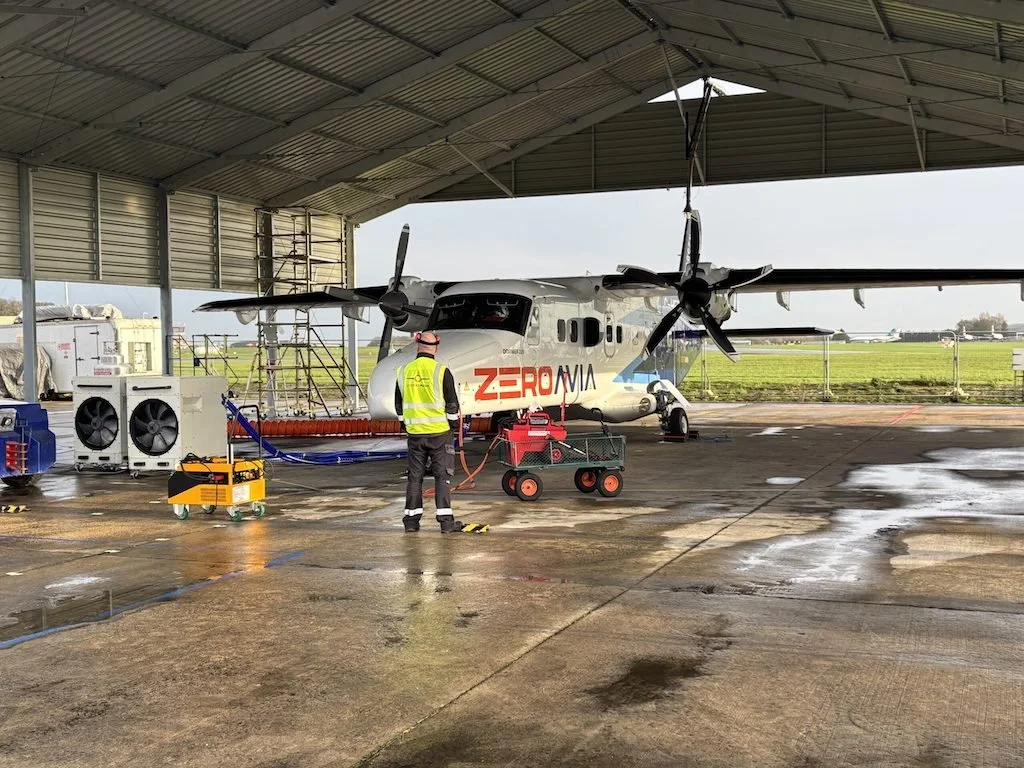
image: ZeroAvia
BAG Chair Tim Walder said investment in airport infrastructure will be needed if the sector is to capitalise on emerging AAM technologies. BAG has highlighted that while much of the current debate has focused on expansion at Heathrow and Gatwick, regional airports across the UK are continuing to invest in infrastructure, expand route networks and strengthen their role as regional economic hubs.
BAG has stated that growing passenger demand, increased air cargo activity and improvements in surface transport links are creating new opportunities for businesses and communities. It also noted that government policy supports making best use of existing airport capacity, recognising the contribution regional airports make to productivity, employment and international trade.
AAM is moving from concept towards commercial deployment. Electric vertical take-off and landing (eVTOL) aircraft, together with electric and hybrid fixed-wing aircraft, could provide lower-emission, point-to-point connections between cities, airports and remote communities. BAG says regional air mobility (RAM) has the potential to contribute up to £1bn to the UK economy through the value of passenger time savings.
BAG argues that a more distributed aviation network could also deliver wider system benefits. Regional airports could attract additional traffic and new revenue streams, while passengers would have greater access to airports closer to where they live or work. Shorter regional air services could reduce the need for longer road journeys, while major hub airports could potentially reallocate slots currently used for some domestic and regional flights to international services, without reducing regional connectivity.
BAG also believes many regional airports already have the land, operational expertise and local partnerships needed to accommodate electric aircraft, vertiports and future AAM services. It says that combining continued investment in conventional airport infrastructure with digital technologies and new aircraft types could strengthen national connectivity, support sustainable economic development and reinforce the UK's position within the global aviation sector.