

UK sustainable aviation fuel supply running below 2025 mandate target
Provisional statistics from the Department for Transport (DfT) indicate that the UK is likely to fall short of its first Sustainable Aviation Fuel (SAF) mandate target for 2025.
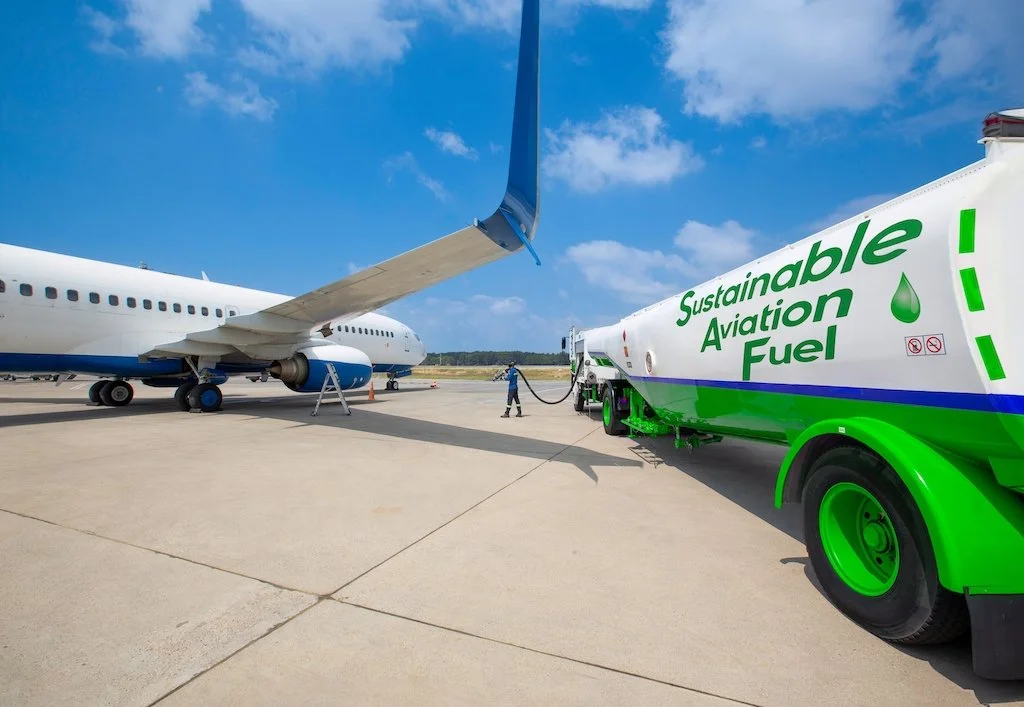
image: Shutterstock
The mandate, which came into effect on 1 January 2025, legally requires that at least 2% of all jet fuel supplied in the UK within the first year – the first milestone on a trajectory rising to 10 % by 2030 and 22 % by 2040.
DfT’s second provisional SAF Mandate statistics for 2025, based on data up to 27 October, show that only around 1.6 % of jet fuel supplied met the SAF criteria, leaving a notable gap with only weeks remaining before the compliance year ends. The dataset covers volumes of sustainable fuel recorded and includes information on SAF certificates issued by the scheme.
In volume terms, approximately 163m litres of SAF had been supplied to the UK aviation fuel market by the end of October. While the figures are provisional and subject to revision ahead of final reporting in late 2026, the current trajectory suggests the initial target may not be fully met.
Industry observers and advocacy groups have noted that verification delays and certification processes have contributed to a lag between actual SAF deliveries and completed mandate compliance, as fuel volumes must be validated before they count towards fulfilment of suppliers’ obligations.
The SAF mandate is designed to stimulate the development of low‑carbon aviation fuel supply chains by obliging fuel suppliers to blend sustainable alternatives and by issuing tradeable SAF certificates in proportion to greenhouse‑gas reductions achieved. It includes mechanisms for compliance, such as certificates and a “buy‑out” option if SAF supply cannot be secured.
The government and industry representatives have emphasised that SAF uptake and production are expected to increase in coming years as investment in SAF facilities and feedstocks grows and as advanced technologies scale up.