

CAA approval paves way for Network Rail rollout of remotely operated drones
Network Rail has received regulatory approval from the Civil Aviation Authority (CAA) to operate remotely controlled drones beyond the visual line of sight of pilots, enabling the wider deployment of a new generation of monitoring technology designed to improve railway safety, asset management and incident response.
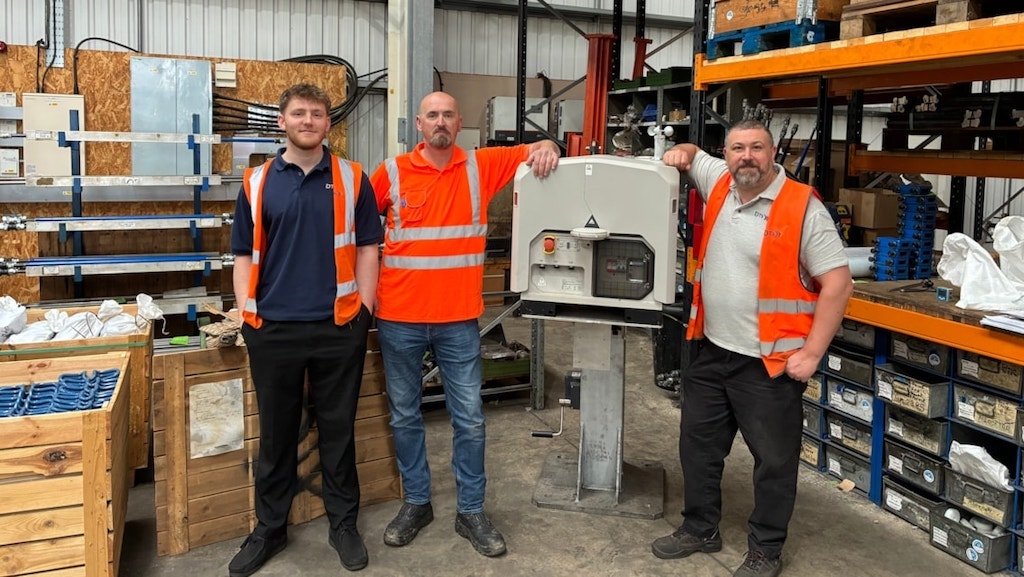
image: Heliguy
The approval, secured with support from drone specialist Heliguy, allows Network Rail to operate "drone-in-a-box" systems from remote operations centres rather than requiring pilots to be physically present at inspection locations. The authorisation is regarded as a significant step in the adoption of beyond visual line of sight (BVLOS) drone operations in the UK.
Heliguy worked with Network Rail to develop the operational safety case and secure approval through the CAA's Specific Operations Risk Assessment (SORA) framework. The approval covers remotely operated drone deployments at selected sites and provides a foundation for wider use of the technology across the rail network.
Network Rail said the drones will be used to monitor infrastructure, identify safety risks and provide real-time information during operational incidents. The technology is expected to support inspections of embankments, bridges, overhead lines, drainage systems and other railway assets, while also helping detect trespass, vandalism and other security-related incidents.
The remotely operated systems are housed in automated docking stations, allowing drones to be deployed rapidly in response to incidents and programmed inspection tasks. Live video and sensor data can then be transmitted directly to operations teams, enabling faster decision-making and reducing the need for staff to access potentially hazardous parts of the railway.
The initiative forms part of Network Rail's wider programme to modernise infrastructure management through digital technologies, automation and predictive maintenance.
Previous drone deployments have demonstrated operational and financial benefits. Network Rail has reported savings through reduced requirements for line closures and more efficient inspection processes, while the technology has also enabled faster assessment of incidents such as flooding, landslips, vegetation encroachment and infrastructure faults.
Network Rail manages around 20,000 miles of track and thousands of structures across Britain. The successful deployment of BVLOS drone operations could provide a model for wider adoption of advanced aerial monitoring technologies across the UK's infrastructure networks.