

European Cargo enters administration amid rising costs and market pressures
European Cargo, the Bournemouth-based freight airline, has entered administration after facing mounting financial pressures, including rising fuel costs and reduced flying activity.
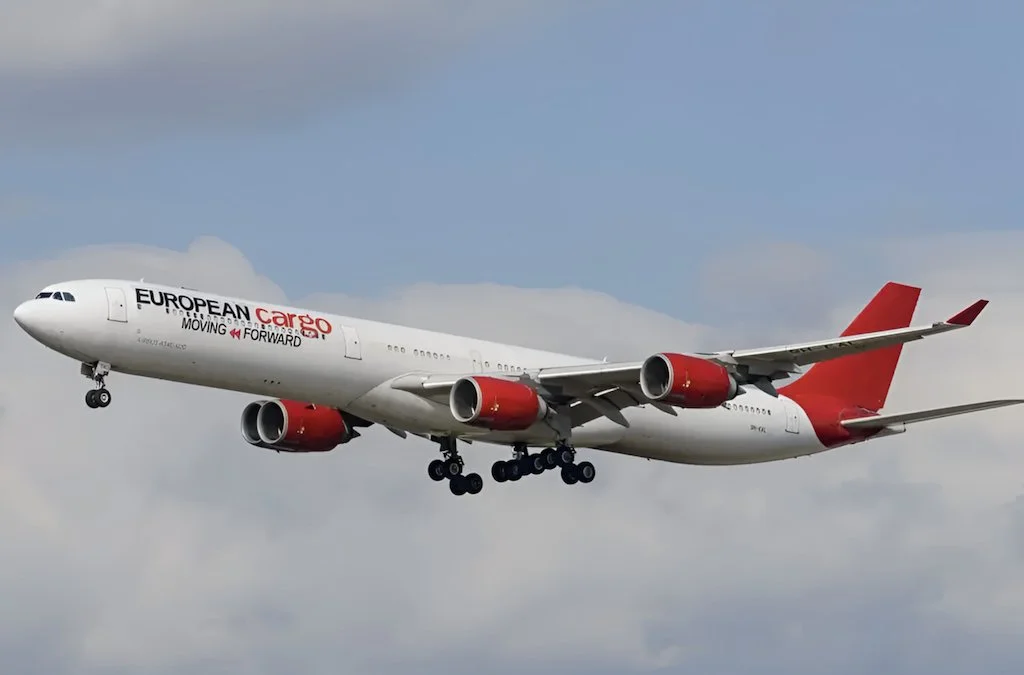
image: European Cargo
The company confirmed that administrators from Teneo Financial Advisory were appointed on 3 June and have assumed control of the airline's affairs and assets. Operations have ceased, with reports indicating that a significant number of employees have been made redundant as a result.
European Cargo built its business around a fleet of converted Airbus A340-600 aircraft, operating cargo services from Bournemouth Airport and serving long-haul freight markets, including routes between the UK and Asia.
The airline, which includes former aviation minister Baroness Vere as a non-executive director, gained attention during the COVID-19 pandemic for transporting personal protective equipment and later expanded into e-commerce and general cargo operations.
Teneo cited a combination of factors behind the company's collapse. While the airline pointed to rising fuel costs as a major contributor, reports suggest that reduced flying activity, working-capital constraints and broader market challenges also played significant roles. The carrier's reliance on four-engine Airbus A340 freighters left it particularly exposed with jet fuel prices increasing sharply during 2026.
Reuters reported that jet fuel prices in Europe have climbed significantly this year, with fuel now accounting for as much as 25–30% of airline operating costs.
The cargo market has also faced rising operating expenses. Freight operators across Europe and Asia have introduced or increased fuel surcharges in response to higher energy prices, while air cargo rates have been influenced by both fuel costs and ongoing capacity constraints.
European Cargo's collapse highlights the challenges facing smaller and specialist freight carriers in a volatile operating environment. Although larger logistics groups and airlines have reported that fuel supplies remain secure for now, industry leaders continue to warn that sustained high fuel prices could place additional pressure on operators with limited financial flexibility.