

East Midlands Airport completes £10.5m airfield investment to support growing cargo hub
East Midlands Airport has completed a £10.5m investment in key airfield facilities aimed at enhancing its capacity to support expanding cargo operations.
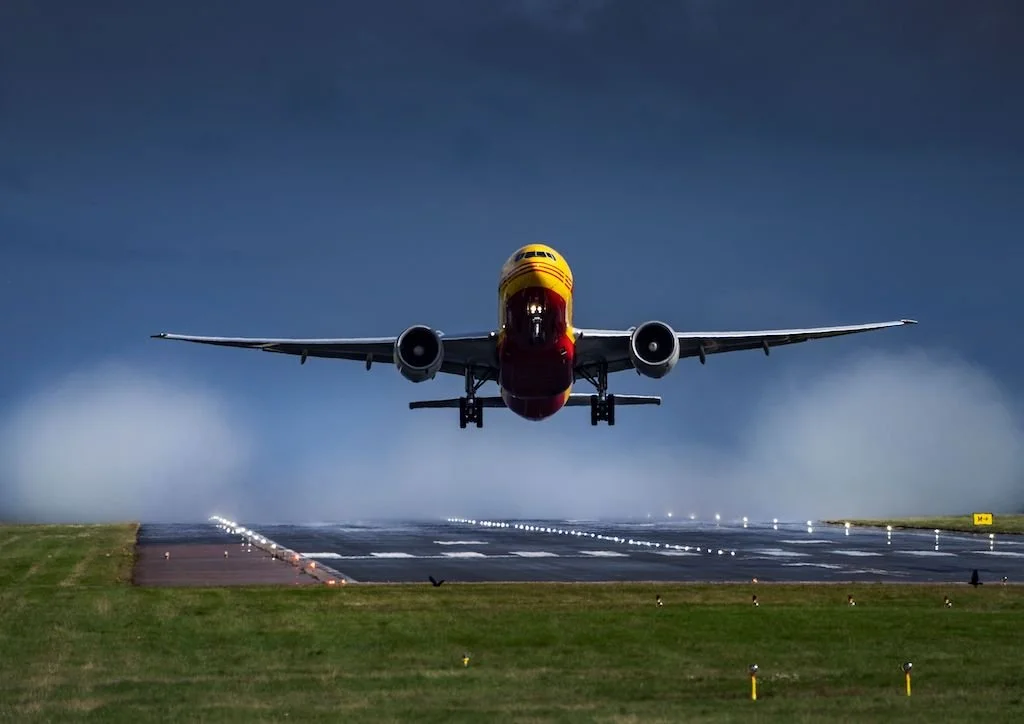
image: MAG Group
The investment includes two newly built airfield gatehouses that replace older facilities and provide modern security checkpoints for staff and personnel accessing the cargo aprons. These checkpoints, equipped with advanced 3D scanning technology, serve as entry points for airport partners, including freight handlers, airlines and support crews.
The east apron gatehouse – which serves major cargo operators such as UPS, FedEx and Royal Mail – is nearly six times larger than the previous structure and features two security lanes for personnel and space for four heavy goods vehicles to be screened. The west apron gatehouse, which supports DHL’s UK hub, is roughly three times the size of its predecessor and includes upgraded staff facilities and enhanced vehicle access.
The upgraded facilities will help streamline operations and prepare the airfield for future growth in cargo traffic. The improvements are part of a wider £120m investment programme at East Midlands Airport, which also includes other airfield, terminal and security enhancements.
East Midlands Airport has recorded strong momentum in freight handling, with cargo volumes increasing significantly and new carriers joining its network in recent months, reinforcing its position as the UK’s busiest dedicated cargo hub. Projections suggest cargo throughput at the airport could grow further, prompting plans to develop additional apron space, warehousing and aircraft stands to meet long term demand.
The investment is intended to support that growth by improving access, security and operational efficiency for cargo partners, while aligning with the airport’s strategic goal of strengthening its role in domestic and international freight networks.
Newly released figures show significant growth in cargo volumes at the airport have been achieved with fewer aircraft movements, thanks to revised routing patterns and the introduction of newer, higher-capacity aircraft,
Since the start of the current financial year last April, the airport has handled an additional 44,280t of cargo while recording a reduction of more than 1,300 freight aircraft movements.