

Jet Zero Taskforce report says hydrogen aviation could be commercially viable by 2030
A new report from the Jet Zero Taskforce suggests hydrogen-powered aviation could become commercially viable for small aircraft on some routes by 2030, provided supporting infrastructure and regulatory frameworks are developed.
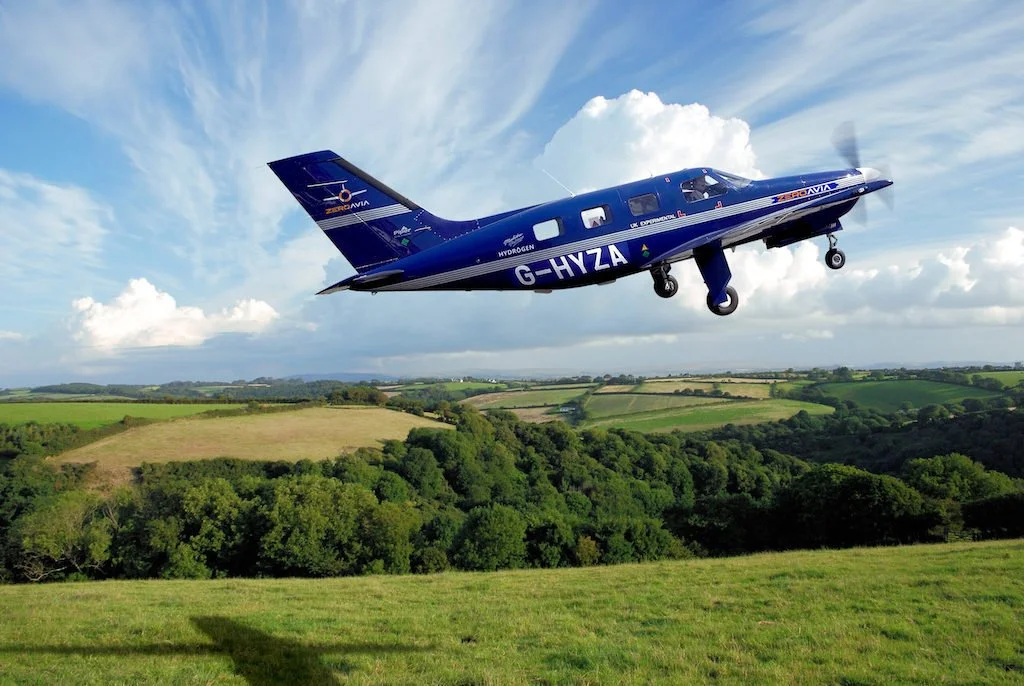
image: ZeroAvia
The study, produced by the taskforce’s Hydrogen Task and Finish Group, outlines a roadmap for introducing hydrogen propulsion into the UK aviation system, focusing initially on domestic and short-haul operations.
According to the report, hydrogen aircraft technology is considered technically feasible, but deployment will depend on progress in areas such as aircraft certification, airport fuelling infrastructure and supply of low-carbon hydrogen.
The analysis includes modelling of the UK and European domestic route networks, alongside forecasts of hydrogen demand and potential pathways to commercial operations.
The findings suggest hydrogen could initially be used on short-range regional flights, where smaller aircraft and shorter distances make the fuel easier to deploy. Wider use on larger aircraft and longer routes is expected to take longer because of technical challenges around storage, fuel systems and aircraft design.
For airports, the report highlights the need to develop new refuelling infrastructure and hydrogen supply chains, which could require substantial investment and planning. Supporting energy systems – including renewable electricity and hydrogen production capacity – would also need to expand significantly.
Industry and government coordination will also be required to develop regulatory and safety frameworks for hydrogen aircraft, alongside certification processes for new propulsion technologies.
The work forms part of the UK government’s broader aviation decarbonisation programme, which aims to achieve net-zero aviation emissions by 2050 through a combination of technologies including sustainable aviation fuels, zero-emission aircraft and operational improvements.
While hydrogen could play a role in reducing emissions, the report acknowledges it is likely to complement other approaches such as sustainable aviation fuels, particularly during the early stages of the transition.
The Jet Zero Taskforce brings together government, airlines, airports and manufacturers to support innovation and policy development aimed at reducing the environmental impact of air travel while maintaining connectivity and economic growth.
The report concludes that hydrogen aviation could become viable within the next decade for specific use cases, but achieving this will depend on coordinated action across the aviation, energy and infrastructure sectors.