

Rolls-Royce and easyJet complete hydrogen fuel engine testing milestone
Rolls-Royce and easyJet have announced the successful completion of a major ground-testing programme involving a jet engine running entirely on hydrogen, marking a further step in efforts to explore low-carbon alternatives for aviation.
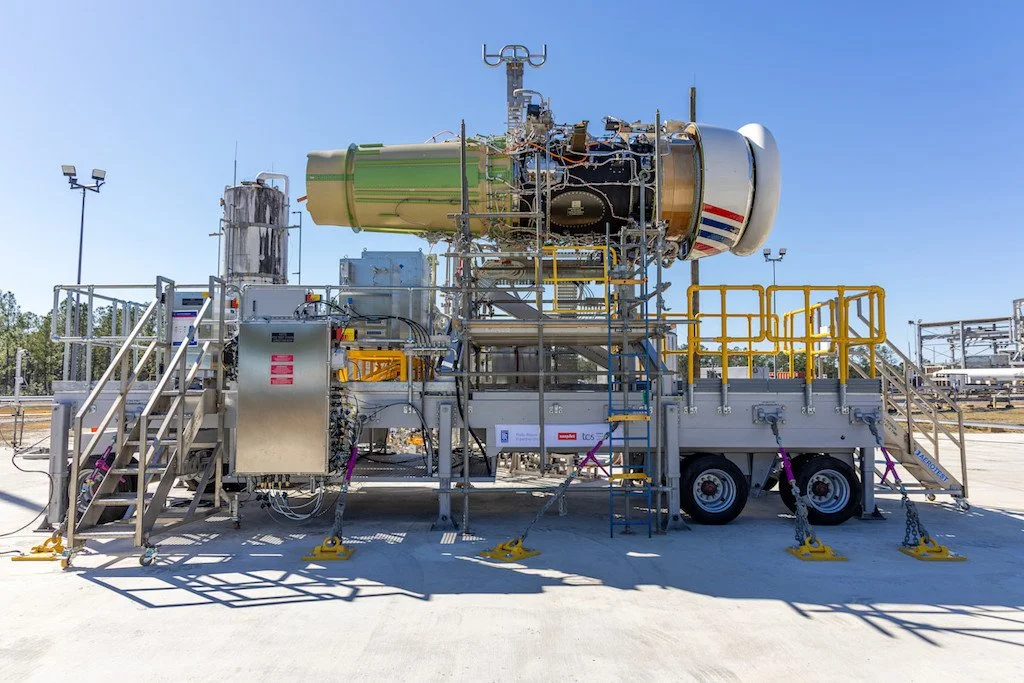
image: easyjet
The companies confirmed that a modified Rolls-Royce Pearl 15 engine was tested at full take-off power using 100% hydrogen fuel at NASA’s Stennis Space Center in Mississippi. The test formed part of a wider development programme examining whether hydrogen could be used as a future aviation fuel in commercial aircraft.
According to statements from the companies, the engine was able to operate across a simulated full flight cycle, including start-up, take-off, cruise and landing conditions. Engineers involved in the programme said the results demonstrated that modern aero engines can be adapted to run on hydrogen under controlled test conditions.
The latest trials build on several years of collaborative research between easyJet and Rolls-Royce, alongside academic and industrial partners. Earlier phases of the programme included hydrogen combustion and component testing in the UK and Europe, as well as previous engine demonstrations at sites such as Boscombe Down in 2022 and research facilities in Germany.
The companies say the programme is focused on understanding key technical challenges associated with hydrogen propulsion, including fuel storage, combustion behaviour, and integration with existing engine designs.
Hydrogen’s potential role in aviation is being developed in parallel with sustainable aviation fuels. Hydrogen could offer high energy content by weight compared with conventional jet fuel, but also presents engineering challenges due to its low volumetric density and the need for cryogenic or high-pressure storage systems. These issues mean significant infrastructure and aircraft design changes would be required before commercial deployment becomes viable.
Hydrogen-powered flight remains at an experimental stage, with further work needed across fuel production, distribution networks, aircraft certification and airport infrastructure before commercial operations could be considered.
Rolls-Royce says insights from hydrogen testing are expected to inform wider engine development programmes, including future propulsion technologies for narrowbody aircraft, which are widely used in short-haul commercial aviation.