

Storms and extreme heat disrupt UK flights as aviation resilience comes under focus
The recent severe thunderstorms and extreme heat across parts of the UK caused disruption to flights and wider transport networks, renewing attention on how aviation infrastructure is adapting to increasingly volatile weather conditions.
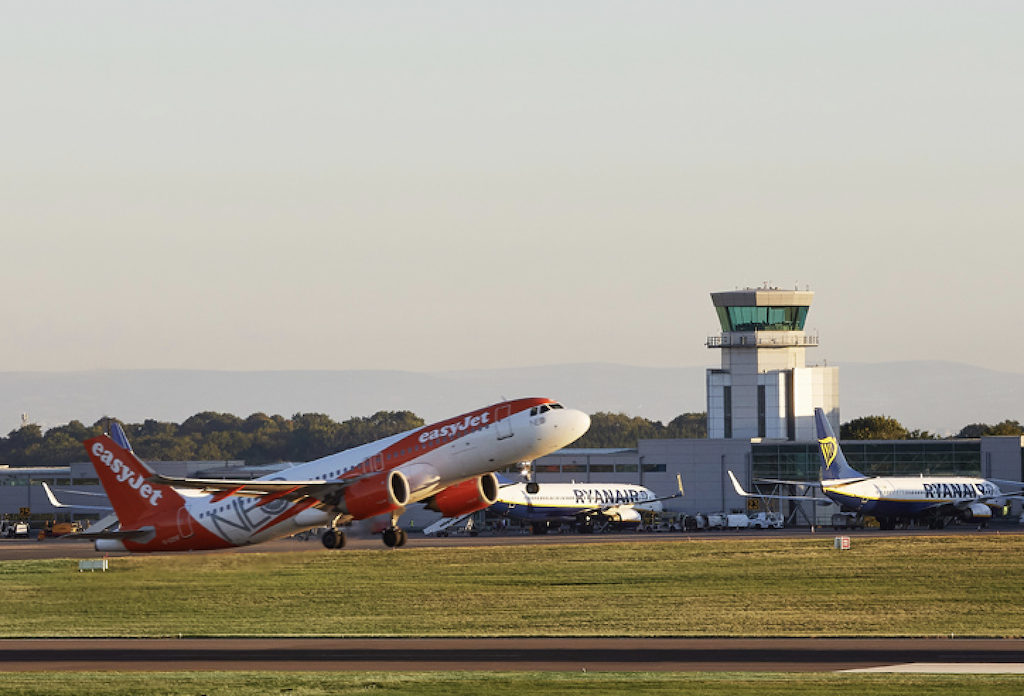
image: Bristol Airport
The disruption has affected airport operations, air traffic systems and transport links serving airports, with weather-related incidents occurring against a backdrop of unusually high temperatures. The Met Office said the UK had experienced a combination of intense heat and unstable weather patterns, recording more than 29,000 lightning strikes within a 24-hour period.
One of the most significant airport impacts was reported at Bristol Airport, where flights were suspended following damage to air traffic control systems linked to severe thunderstorms. Airport operations were disrupted after a suspected lightning strike affected communications infrastructure, leading to flight cancellations, diversions and knock-on operational impacts extending into subsequent schedules.
Airports in the London region also experienced delays and operational pressures linked to wider airspace constraints and weather-related operational measures. Severe weather conditions can reduce airport and air traffic capacity through a range of factors, including altered flight paths, spacing requirements between aircraft and temporary operational restrictions introduced to maintain safety margins.
Aircraft and crews displaced by the disruption contributed to further delays as airlines worked to restore normal operations.
While thunderstorms and heat-related disruptions are not new challenges for aviation, the extreme storms and heat in the UK and across western Europe at the end of June laid bare the risks that climate change presents for the sector.
While aircraft are designed to operate in hot climates, prolonged periods of unusually high temperatures can place pressure on infrastructure and systems in countries where such conditions have historically been less frequent. Heat can affect runway surfaces, electronic systems, energy demand and working conditions for operational staff, while wider transport disruption can also impact airport access and supply chains.
Airports and aviation operators are already assessing adaptation measures ranging from drainage capacity and power resilience to heat-tolerant materials, airfield design and operational contingency planning.
The latest disruption has also highlighted how weather-related incidents can quickly create wider operational impacts across interconnected aviation systems, with local infrastructure failures leading to knock-on effects across airlines, passengers and airport operations.
As periods of extreme heat and severe weather become more prominent in resilience planning, the question for airport operators is increasingly not whether such events occur, but how infrastructure is designed and managed to withstand them.