

ZeroAvia and Hybrid Air Vehicles (HAV) have signed a memorandum of understanding to explore integrating hydrogen-electric propulsion systems into HAV’s Airlander 10 aircraft as part of wider efforts to develop zero-emission airship technology.
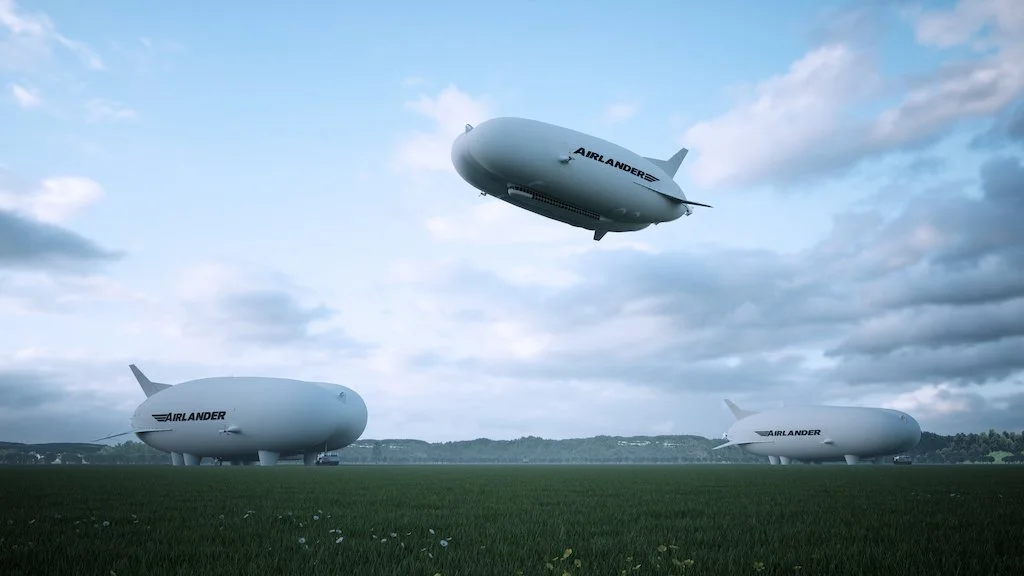
image: Hybrid Air Vehicles
The British companies will investigate the use of ZeroAvia’s ZA600 hydrogen-electric powertrains on the Airlander platform, which is currently designed to operate using four diesel engines. The proposed configuration would involve equipping the hybrid airship with multiple hydrogen fuel cell-based electric propulsion units, with the aim of enabling fully zero-emission flight operations in future versions of the aircraft.
Under the agreement, the partners will assess how hydrogen storage, power generation and electric propulsion systems could be integrated into the Airlander 10’s large hull structure. The companies will also examine infrastructure requirements and potential certification pathways for hydrogen-powered variants.
The Airlander 10 is a hybrid aircraft that combines features of aeroplanes and airships, using a mix of buoyant lift, aerodynamic lift and vectored thrust. It is designed to carry payloads of around 10t or more than 100 passengers, with a range of up to 4,000 nautical miles, depending on configuration.
In its current form, the aircraft is powered by conventional engines, although HAV has previously stated that future iterations are intended to transition towards full electric propulsion. The company has indicated that a hydrogen fuel cell-based system could eventually enable zero-emission operations.
ZeroAvia, which develops hydrogen-electric propulsion systems for aviation, has focused on adapting fuel cell technology for commercial aircraft and regional transport applications. Its ZA600 system is among its first generation of scalable powertrains designed for certification and commercial use.
The collaboration reflects broader industry interest in hydrogen as a potential pathway for decarbonising aviation, particularly for aircraft types that require long endurance and heavy payload capability. Hydrogen fuel cells could offer lower lifecycle emissions compared with conventional aviation fuel, while maintaining operational range, although challenges remain around hydrogen production, storage and airport infrastructure.
Both companies said the partnership will build on earlier research into electric propulsion for hybrid aircraft and could inform future larger versions of the Airlander concept.